
GSM is the number on a scrub fabric specification that buyers ask about most and understand least. It tells you how heavy the fabric is, which affects how the scrubs feel, how they hang, how warm they are and how they stand up to washing. This guide explains what GSM measures, how it interacts with fiber blend and stretch, and how to choose a weight for the people who will wear your scrubs.
What GSM means
GSM stands for grams per square meter: the weight of one square meter of the fabric. A higher number means more fiber in the same area, so the fabric is usually thicker, more opaque and warmer. A lower number means a lighter, cooler fabric that drapes more and dries faster. GSM is measured on the finished fabric, so ask whether a supplier’s figure is before or after washing and finishing.
GSM is a weight, not a quality grade. A heavier fabric is not automatically a better one; the right weight depends on the job, the climate and the blend.
Typical weight ranges for scrubs
| Weight | Feel and behavior | Often chosen for |
|---|---|---|
| Lighter | Cool, soft drape, dries quickly; can be less opaque in light colors | Warm climates, long active shifts, summer ranges |
| Mid-weight | Balanced: holds its shape without feeling heavy | Everyday hospital and clinic scrubs, most uniform programs |
| Heavier | Structured, opaque, warmer; slower to dry | Cold departments, outerwear-style tops, buyers who want a substantial hand-feel |
The exact figures for each band vary by fabric construction and blend, so compare weights within the same fabric type rather than across different ones.
Blend and stretch matter as much as weight
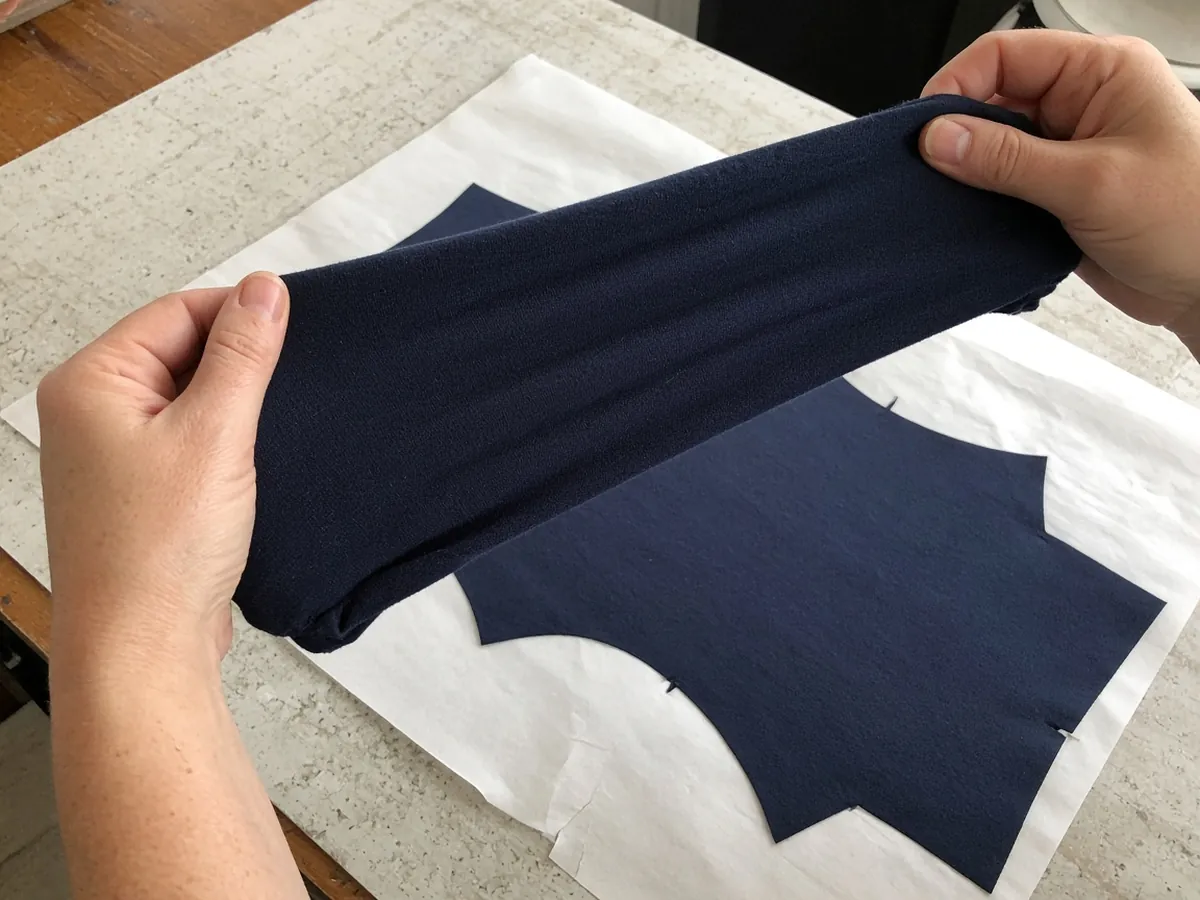
Two fabrics with the same GSM can feel completely different. The fiber blend decides softness, breathability and how the fabric ages; the construction (woven or knit) and any spandex decide how much it stretches. A stretch blend at a given weight usually feels lighter on the body than a rigid fabric of the same weight, because it moves with the wearer. Our scrub fabrics guide compares the common blends, including poly-rayon-spandex, polyester-spandex and cotton-polyester.
How to choose a weight
- Start with the wearer’s environment. Warm wards, outdoor or very active roles suit lighter fabrics; air-conditioned operating rooms and cold clinics suit mid or heavier weights, or a light scrub with a layer underneath.
- Check opacity in your lightest color. White, ceil and pastel shades show more through a light fabric. Hold the fabric up to a light before you approve it.
- Think about washing. Uniforms that are washed hot and often need a fabric that keeps its shape. Ask for the composition and wash-test a sample several times before ordering.
- Keep one weight across a program. If tops and pants, or different styles, are bought in different weights, they will look and wear differently side by side.
- Match the range, not just one style. If you plan jackets or underscrubs to layer with your scrubs, choose weights that work together.
What to put on your fabric specification
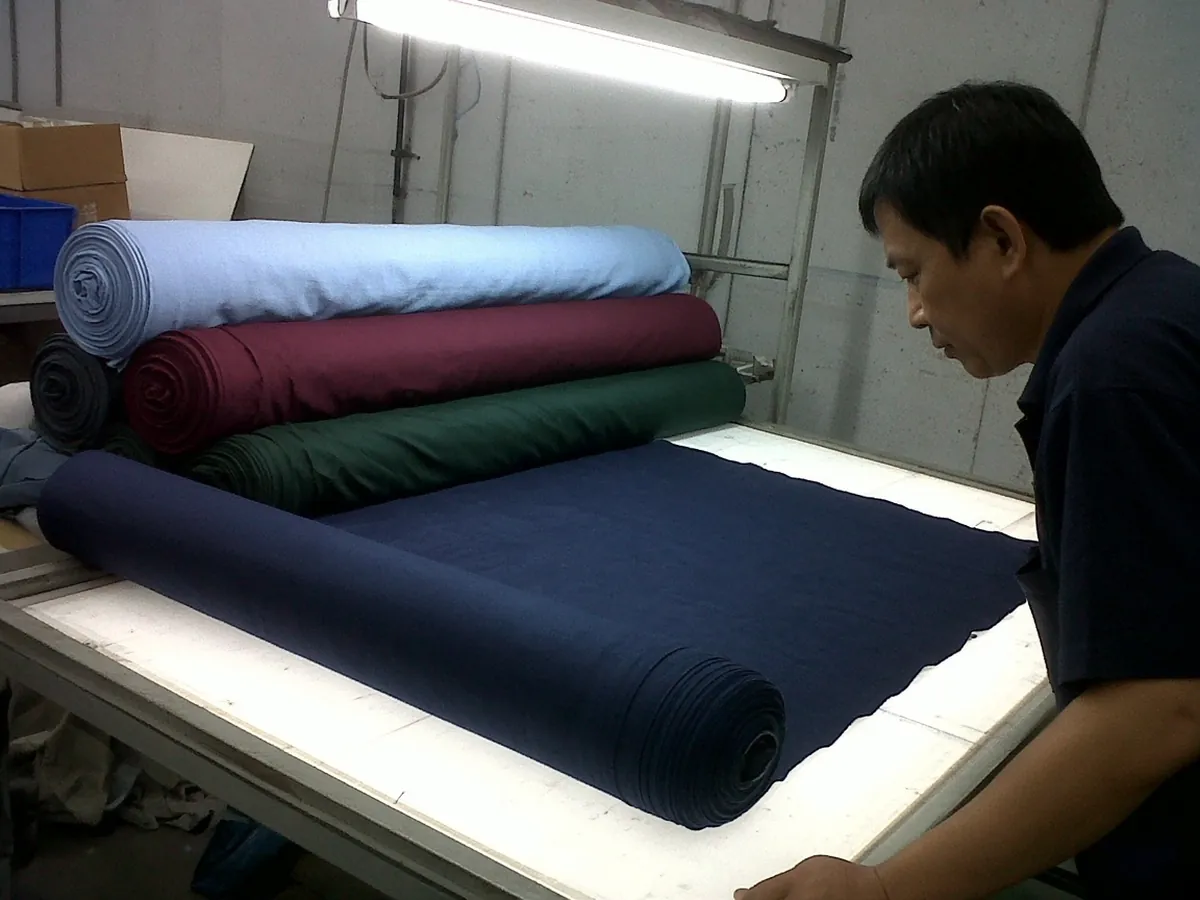
A clear fabric spec avoids surprises between the sample and the bulk order. Record:
- Fiber composition in percentages
- Weight in GSM, with an acceptable tolerance
- Construction (woven or knit) and stretch direction
- Color references for every shade
- Any finish you need, and the test report that proves it
Be careful with performance claims. Words like “antimicrobial”, “fluid resistant” or “certified” should only appear on your product if you hold a test report or certificate for that exact fabric.
Keeping weight consistent on reorders
The weight of the first order is the standard for every reorder. Ask your manufacturer how fabric is checked on arrival and how the approved fabric is recorded for reorders. At GoMedWear, fabric is GSM-checked when it arrives and before cutting, and the approved fabric and color runs stay on file; our quality control process shows each check.
Choosing fabric with GoMedWear
GoMedWear manufactures scrubs in its own factory in Sialkot, Pakistan, for brands, distributors and institutions. Every order starts with a sample in your chosen fabric and color, so you can feel the weight, wear it and wash it before bulk production. The minimum is 50 pieces per style, in sizes XS to 5XL, with 30+ stock colors or a Pantone match. Request a sample to compare fabrics in your own hands.
Frequently asked questions
What does GSM mean in scrubs?
Grams per square meter: the weight of the fabric. Higher GSM is heavier and usually warmer and more opaque; lower GSM is lighter and cooler.
Is a higher GSM better?
Not by itself. Heavier fabric is more structured and opaque, lighter fabric is cooler and dries faster. The right choice depends on the climate, the role and the blend.
Does stretch change how heavy scrubs feel?
Yes. A stretch blend moves with the body, so it often feels lighter than a rigid fabric of the same weight.
How do I check a supplier’s GSM figure?
Ask for the composition and weight in writing, ask whether the weight is measured on the finished fabric, and compare it with the sample you approve.